
‘archive’
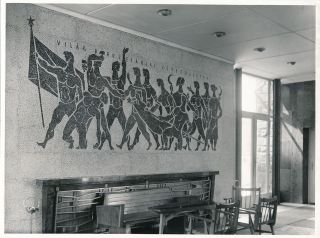
The Oeuvre of György Konecsni
… analyses and essays offering a fresh perspective, is the first original publication of the Archive and Documentation Center (ADK) of the Museum of Fine Arts – Central European Research Institute for Art History (KEMKI), which was founded in 2021. The volume entitled Seeing the Whole Picture is edited by Katalin Bakos and Eszter Szőnyeg-Szegvári. Authors include Katalin Bakos, Barbara Dudás, Ágnes Képiró, Mária Madár, Eszter Szőnyeg-Szegvári, György Szücs, Károly Tóth, Ádám …
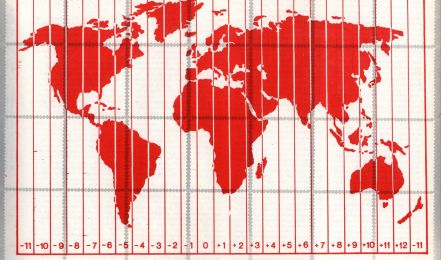
Networking the Peripheries / World Art Post: International Artist Stamp Exhibition
… as well as works by Western and Eastern European artists. Galántai institutionalized his growing archive of art documents he received from all over the world largely through the mail art network when he founded Artpool in 1979 together with Júlia Klaniczay. From this point on, in the spirit of the "active archive" concept, the Artpool collection, as well as its network, was systematically and strategically enriched through projects and “Art Tours” in Western Europe. This decentralized …
Resonances
… European Art of the 1970s issue dedicated to the Resonances project World-Famous World-Archives – László Beke 80. Presentation and discussion (23. 05. 2024) Sešit/Notebook for Art, Theory and Related Zones issue dedicated to the Resonances project Resonances IV. conference: Equal And Poor: A Comparative Perspective on Art in Communist Europe and the Global South in the Long 1970s (Zamek Cultural Center, Poznan, 17.- 18. 03. 2023 ) Resonances III. conference: The …

Gyöngyi Károly
Chief Museum Archivist Since 2017, she has been working at the Archive Department of the Hungarian National Gallery. Since 2019, she has been working as a Chief Museum Archivist at the institution’s Photo Archive, tasked with the processing, archival and conservation of the photography collection. In 2016, she graduated from Pázmány Péter Catholic University with a Master’s Degree in Art History. In 2015, she worked as an intern at the Association of …

Collection of Artist Relics
The collection of the KEMKI Archive and Documentation Centre (ADK) predominantly contains documents and photographs. Relics related to Hungarian artists make up a special part of the collection. Collecting objects linked to famous people and national heroes was an important element of Hungarian museum acquisition from the nineteenth century onwards. Prominent artists were surrounded by a veritable cult; elegant receptions …